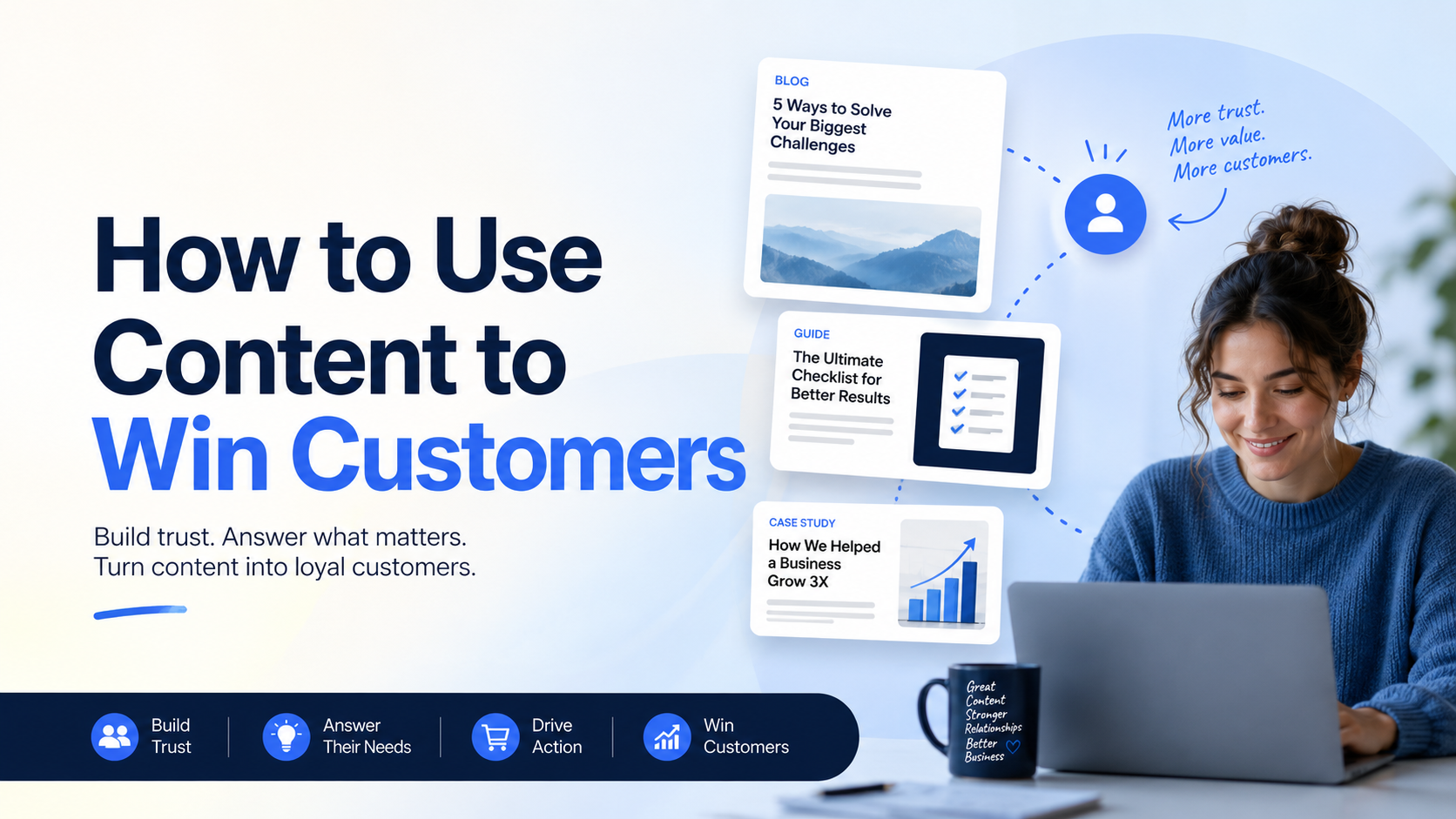
A customer today rarely lands on your website without having already made up half their mind. They have compared prices, read reviews, watched a competitor’s Reel, and asked a friend or a WhatsApp group what they think of your brand before your sales team ever hears from them. India has crossed the 1 billion internet user mark, which means most of this research happens before you know a prospect exists. This shift has quietly changed what a marketing budget is supposed to buy. Ads still earn attention, but content is what earns trust, answers objections, and gets bookmarked, shared, and returned to.
For CMOs and founders running lean teams, this is good news. Content marketing typically produces close to three times the leads of outbound advertising at a fraction of the cost, making it one of the few growth levers that scales without your ad budget scaling in equal measure. But most Indian brands still treat content as an afterthought a blog nobody updates, a caption written five minutes before posting, a feedback form nobody reads twice. Winning customers with content is not about publishing more; it is about publishing with intent, at every stage where a customer decides whether to trust you or walk away. That is exactly what this guide breaks down, section by section, with specifics you can use on a Monday morning.
Watch and Learn
Every strong content strategy starts with observation, not creation. Before you write a single post, you need a clear picture of how your customers behave, what your competitors are already doing well, and what your own data has been trying to tell you. Indian brands that skip this step end up creating content that looks good in an internal review but does nothing for acquisition. Watching first means your content budget goes toward what actually moves people, not toward guesses dressed up as strategy.
Learn From Customer Behaviour
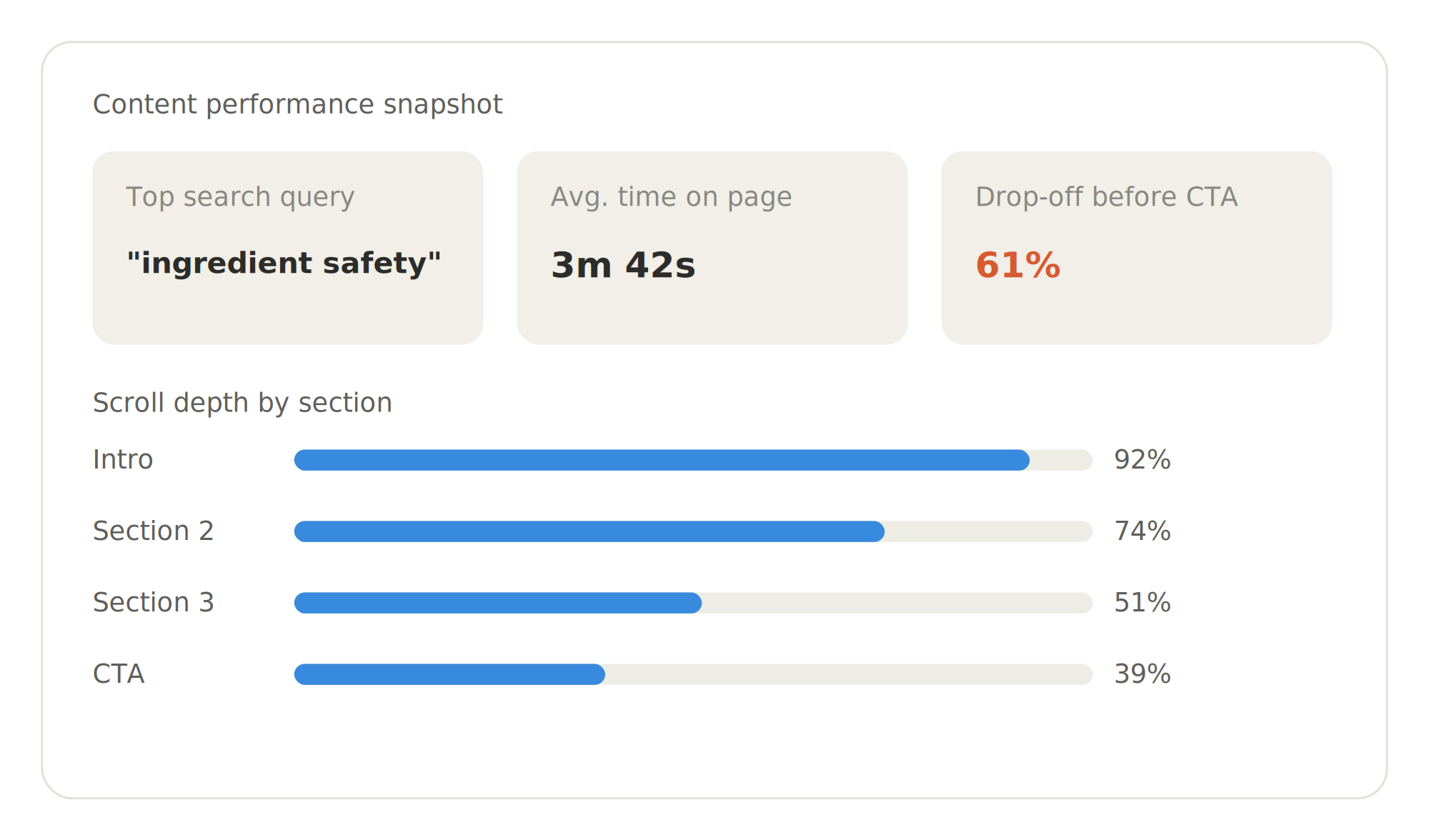
What does your customer’s online behaviour actually tell you? It tells you where they get stuck, what questions they ask before buying, and what almost made them leave. Look at your website’s search bar queries, the questions repeated in your support chats, and the comments under your Instagram posts. A skincare brand that notices customers repeatedly asking about ingredient safety before checkout has just been handed a content brief for free. Indian buyers research heavily before a purchase because trust in a new brand is earned slowly, especially outside the metros.
Study Competitor Content
Studying competitors is not about copying them; it is about finding the gaps they have left open. Look at what your closest three competitors publish, which posts get unusually high engagement, and more importantly, which customer questions they never answer at all. If every FMCG competitor in your category talks about product benefits but nobody explains correct usage, that gap is your opportunity, and a quick scan of Google’s “People also ask” box will confirm it. Indian D2C brands that consistently win on content are usually the ones filling a gap their bigger, better-funded competitors overlooked, not the ones simply shouting louder.
Use Analytics Before Creating Content
Analytics should shape your content calendar, not just measure it after the fact. Before creating anything new, check which existing pages already bring in traffic and which ones customers spend the most time on. Google Search Console will show you queries your website ranks for on page two, often the easiest wins to build a stronger piece around. Heatmaps and scroll-depth data tell you exactly where readers lose interest, so you know where your writing needs to tighten up. This is not a one-time audit; checking analytics every month keeps your content strategy anchored to real behaviour instead of internal opinions about what the brand should be talking about.
Create Relevant Content for Your Customer
Traffic without relevance is a vanity metric that does nothing for revenue. The goal is qualified traffic people who read your content because it speaks directly to a problem they have, at the exact stage they are in. This requires knowing your customer well enough to write for one person instead of a broad, undefined audience. Relevant content is what turns a casual visitor into a lead, and a lead into a customer who does not need convincing twice.
Build Customer Personas That Reflect Real Buyers
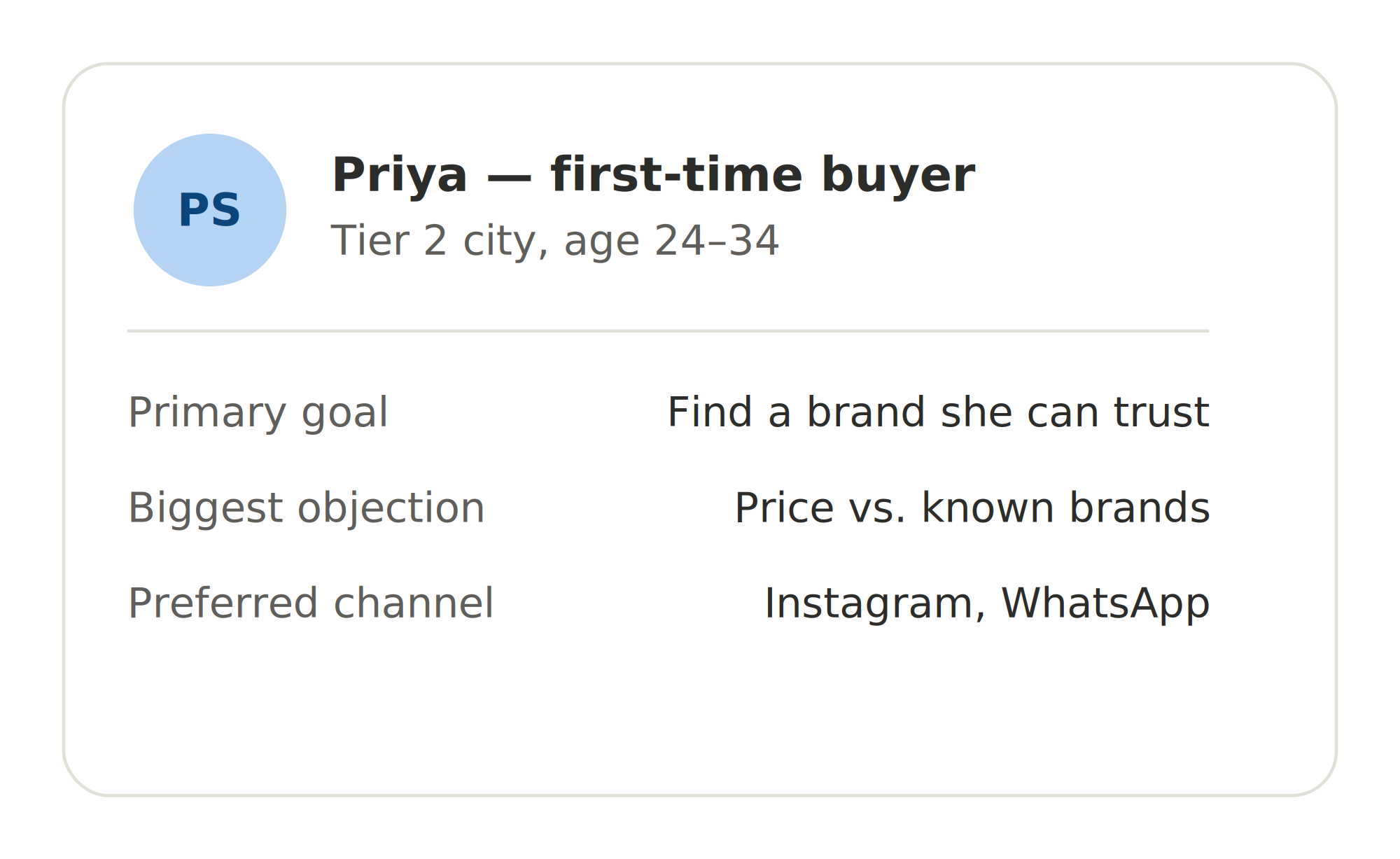
A customer persona should be based on real conversations, not a marketing team’s best guess. Talk to your sales team about the objections they hear most often, review your CRM for patterns in who actually buys, and read through support tickets to understand the language customers use, not the language your brand uses. An FMCG brand selling into Tier 2 and Tier 3 India will find that price sensitivity, trust in word-of-mouth, and regional language preference matter far more than they do for a metro-first audience. Build two or three personas at most; trying to write for everyone at once usually means writing for no one in particular. Revisit these personas every couple of quarters, since buyer behaviour in India keeps shifting fast.
Match Content to the Buyer’s Journey
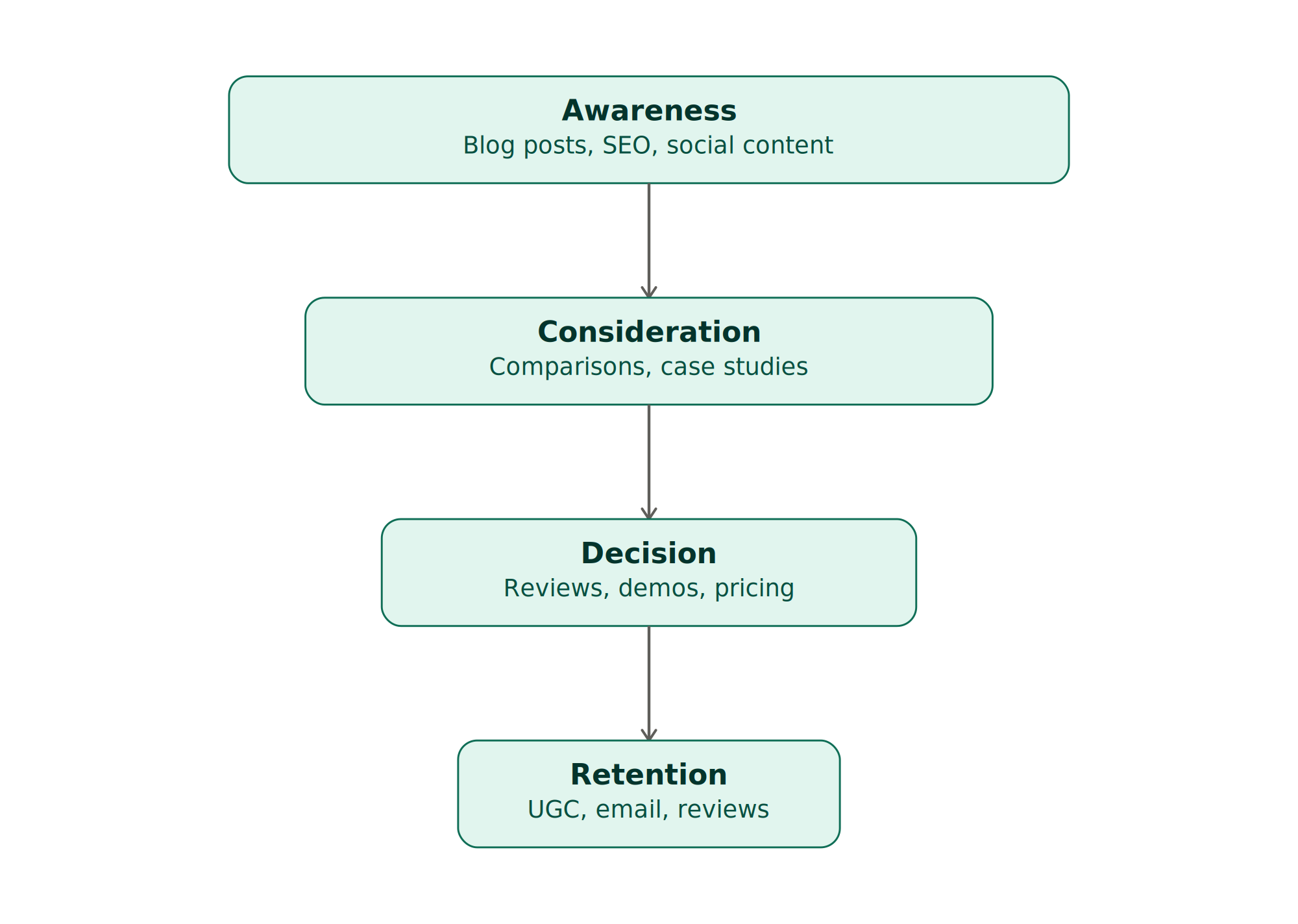
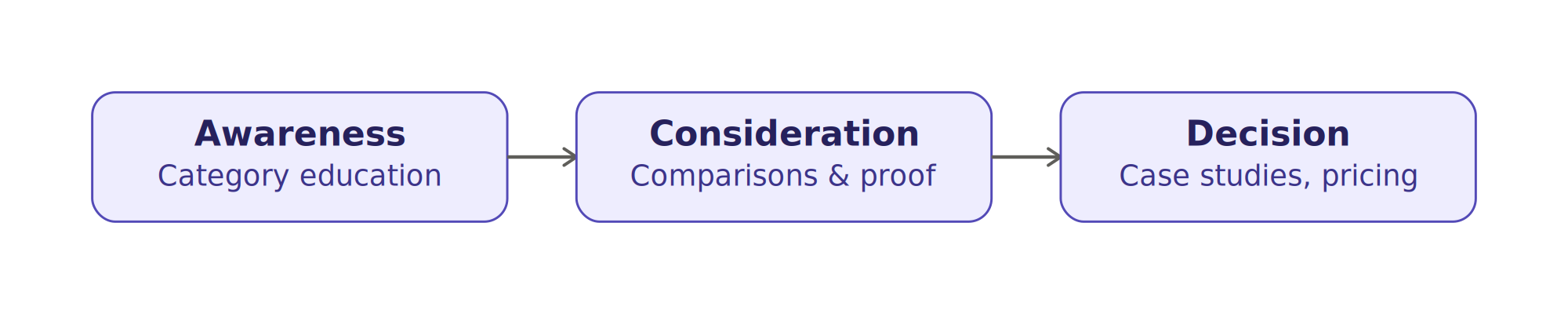
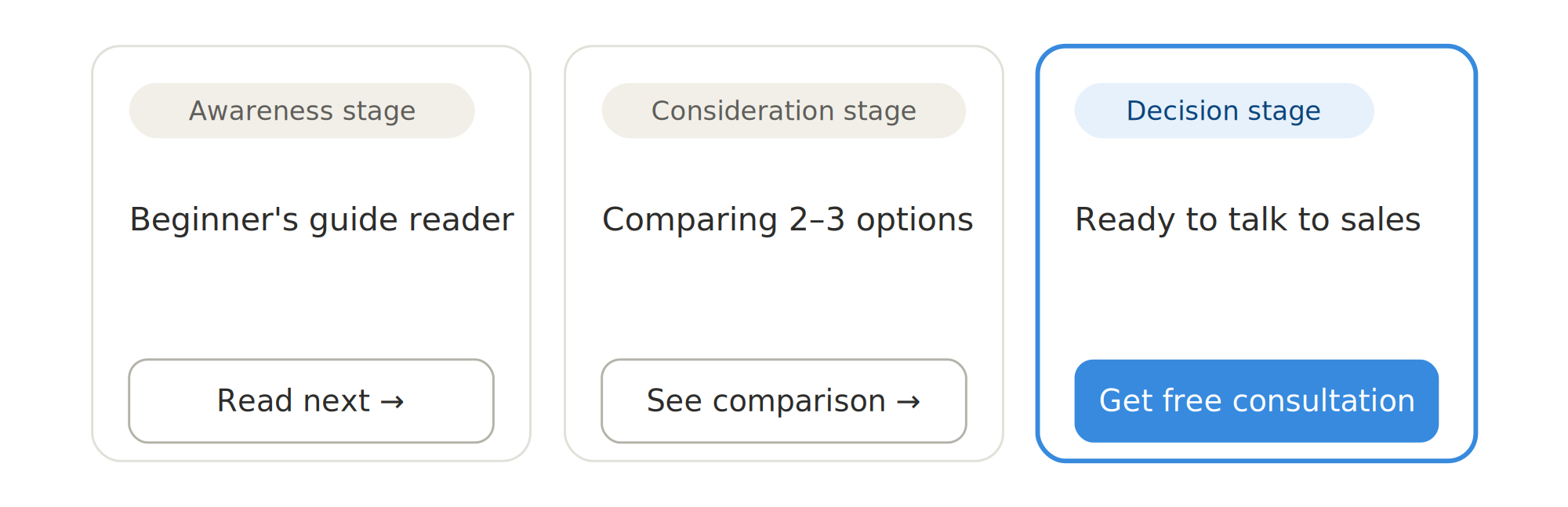
A customer researching your category for the first time needs something very different from one comparing you against two competitors. Awareness-stage content should answer broad questions and build category trust without pushing your product too early. Consideration-stage content should get specific: comparisons, use cases, and honest answers to the objections your sales team hears constantly. Decision-stage content should remove the last doubts through case studies, clear pricing, and social proof from customers who resemble the reader. Most Indian brands overinvest in decision-stage content while barely creating anything for the awareness stage, which is exactly where most search and social traffic starts.
Solve Problems Instead of Selling
Content that solves a real problem earns attention that a sales pitch never will. Instead of writing about why your product is good, write about the problem it exists to solve, and let the solution appear naturally within that context. A financial services brand explaining how to read a loan agreement earns far more trust than one that simply lists its own interest rates. This also supports SEO directly, since people search for solutions far more often than they search for brand names, and a genuinely helpful piece turns the sale into a natural next step rather than something you have to push for.
Target Lost Customers
Every brand loses customers, and most spend all their energy chasing new ones while ignoring the ones who already know the product. Lost customers are a warmer audience than any cold lead you will ever target, because they have already been through your funnel once. Content built specifically for win-back is one of the most underused strategies among Indian brands, particularly in retail and FMCG categories where repeat purchase drives most of the profit.
Retarget Through Helpful Content
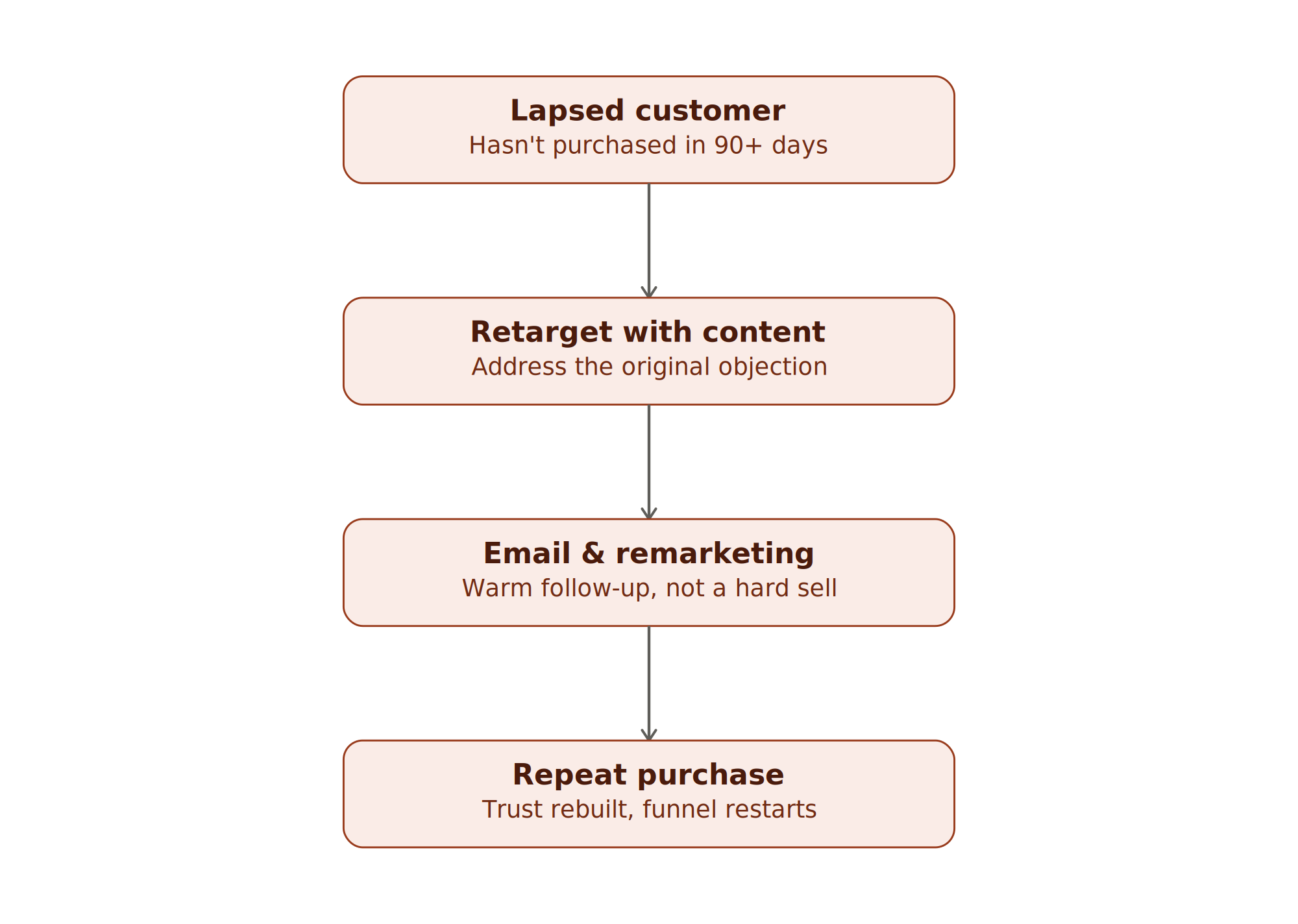
Before asking a lost customer to buy again, give them a reason to trust you again. Content retargeting means showing lapsed customers something useful, such as a product update, a changed policy, or a direct answer to the reason they may have left, rather than jumping straight to a discount code. If customers left because of a slow delivery experience, a piece of content explaining your improved logistics timeline, backed by real numbers, does more to bring them back than a generic “we miss you” email. This respects the customer’s original reason for leaving, which makes the win-back attempt feel considered, not desperate.
Use Email and Remarketing to Bring Them Back
Email remains one of the most cost-effective channels for reaching Indian customers who have already shared their details. Segment lapsed customers separately from active ones, and send content that reflects the time that has passed what has changed, what is new, and why it might be worth a second look. Pair this with remarketing ads that link back to helpful content rather than a hard sell, since a customer who already left once is unlikely to respond well to being pushed again. Track open rates and click patterns closely here, because lapsed-customer segments often reveal exactly which message finally brings someone back.
Address Common Buying Objections
Every lost customer left for a reason, and most of those reasons repeat across your customer base. Ask your support and sales teams to list the top objections price, delivery time, product fit, or trust and create content that addresses each one directly. A comparison page that acknowledges where a competitor genuinely does something better, while explaining your own trade-off clearly, builds more credibility than a page pretending no competition exists. Indian buyers respond well to straightforward, non-defensive answers, especially in categories like BFSI and consumer durables where the purchase decision carries real weight.
Be Imaginative and Strategic
A content strategy without a system behind it eventually runs out of ideas and consistency. Being imaginative does not mean chasing every trend; it means having a clear plan for storytelling that holds together over months, not just a single post that goes viral once. Indian brands that build lasting content engines treat imagination as a discipline, backed by a calendar and a repurposing plan, rather than a burst of creativity that fades after a few weeks.
Repurpose Content Across Platforms
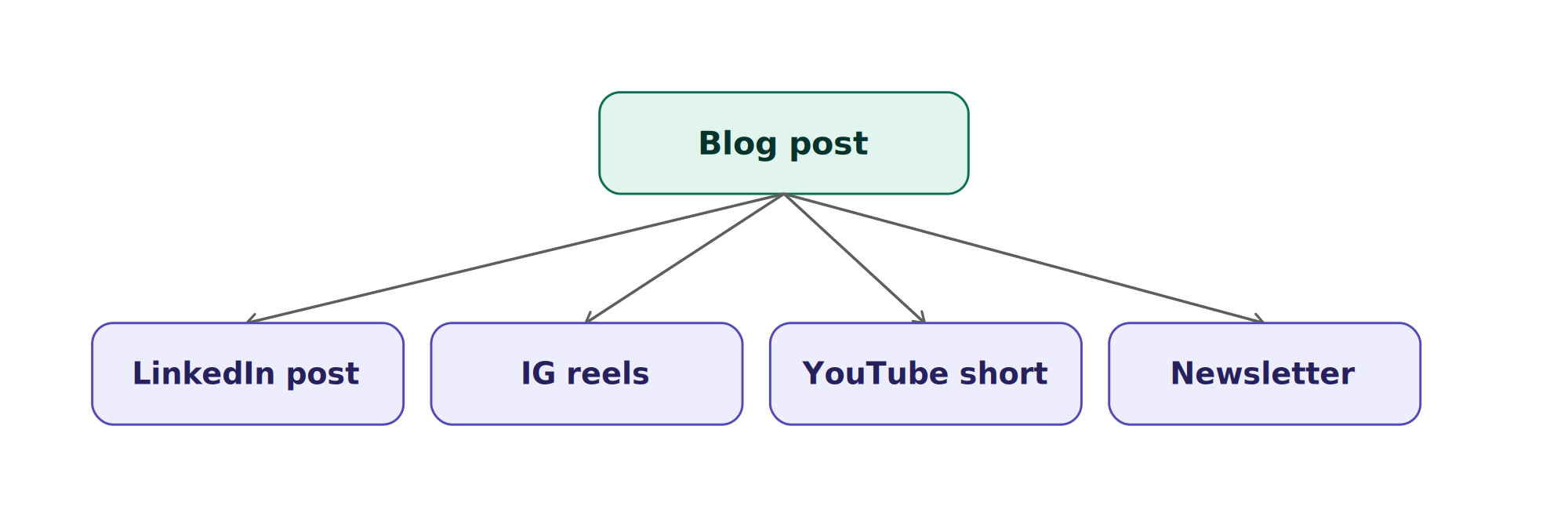
One well-researched piece of content can fuel weeks of output if you repurpose it correctly. A single blog post on customer trends can become a LinkedIn carousel for your CMO audience, three Instagram Reels for a younger segment, and a script for a YouTube Short, all without repeating the research process. This matters for smaller Indian marketing teams that cannot realistically produce fresh content daily across five platforms. Repurposing well means adjusting the tone and format for each platform rather than copy-pasting the same caption everywhere, since a founder’s audience on LinkedIn expects a different voice than a retail brand’s audience on Instagram.
Experiment With Different Content Formats
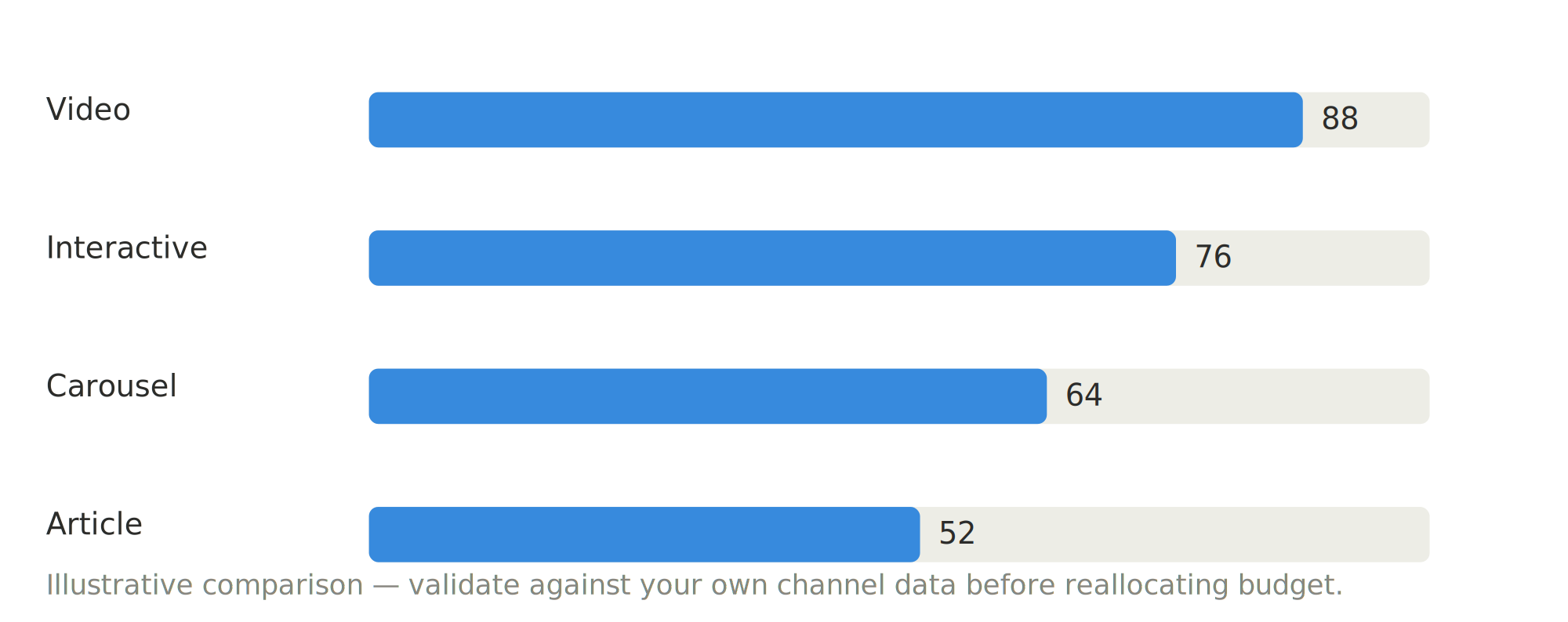
Written content still matters, but it is no longer the only format worth investing in. Short-form video, especially in Hindi and regional languages, continues to outperform static posts across most Indian audiences, and interactive content like polls, calculators, and quizzes tends to hold attention longer than a plain article. Test formats deliberately: run the same core message as a carousel, a short video, and a written post, and compare performance honestly instead of assuming one format works best because it did last year. Retail and FMCG brands benefit most from this experimentation, since their audiences span age groups and languages that respond differently to the same message.
Create Emotional Brand Stories That Stick
Facts convince people, but stories are what they remember and share. An emotional brand story does not need to be dramatic; it can be as simple as showing the real person behind a customer service resolution, or the actual process behind how a product reaches a customer’s doorstep in a smaller town. Indian audiences respond strongly to authenticity over polish, especially when a brand shows the effort behind a product rather than only its finished, filtered version. Build this into your content calendar deliberately, with at least one story-driven piece each month.
Call to Action
Great content that ends without direction wastes the attention it just earned. A call to action tells the reader exactly what to do next, and it should feel like a natural continuation of what they just read rather than an abrupt sales pitch bolted onto the end. Too many Indian brand blogs close with a generic “contact us” line that ignores where the reader actually is in their decision-making. The CTA is where content marketing turns into customer acquisition, so it deserves as much thought as the content itself.
Match CTAs to User Intent
What should the CTA on a page actually ask the reader to do? That depends entirely on why they are on the page in the first place. A reader on a beginner’s guide is not ready for “Book a Demo”; they are ready for “Read Next” or a low-pressure newsletter sign-up that keeps them in your funnel. A reader on a detailed comparison page has likely already narrowed things down to a small number of options, so a direct CTA like “Get a Free Consultation” fits naturally at that point. Mapping your CTAs to the buyer’s journey stage of each specific page, instead of using one CTA sitewide, is one of the simplest changes that measurably improves conversion rates.
Reduce Friction Before Conversion
Every extra field in a form, every extra click before value is delivered, costs you a percentage of interested readers. Ask only for what you genuinely need at this stage a name and email is usually enough to start a relationship, and more can be asked for once trust is established. Make your CTA button text describe the actual next step, since “Submit” tells the reader nothing while “Get My Free Audit” tells them exactly what they will receive. Test CTA placement too: one that appears only at the very bottom of a long article gets seen by a fraction of readers compared to one placed naturally after a key section. Indian mobile users, who make up most of your traffic, are especially sensitive to slow or clunky forms, so mobile speed is non-negotiable.
Encourage Feedback and Contributions
The best content marketing eventually stops being one-directional. When customers start contributing their own reviews, photos, and stories, your content engine scales beyond what your internal team could produce alone, and it arrives with a level of trust that brand-created content cannot fully replicate. Indian consumers place significant weight on peer opinion and word-of-mouth before making a purchase, especially in FMCG and D2C categories. Building a system that actively invites feedback is not an afterthought; it is a core part of the content strategy.
Turn Customers Into Content Creators
Ask satisfied customers directly for photos, videos, or short stories about how they use your product, instead of waiting for it to appear on its own. A simple incentive, like early access to a new launch or a small discount, is often enough to get a response, especially from customers who already like your brand. Feature this content prominently on your own channels and website, since it signals to new visitors that real people, not just your marketing team, stand behind the product. D2C and FMCG brands in India have found this especially effective on Instagram and WhatsApp, where customers already share this kind of content organically within their own circles.
Use Reviews as Marketing Assets
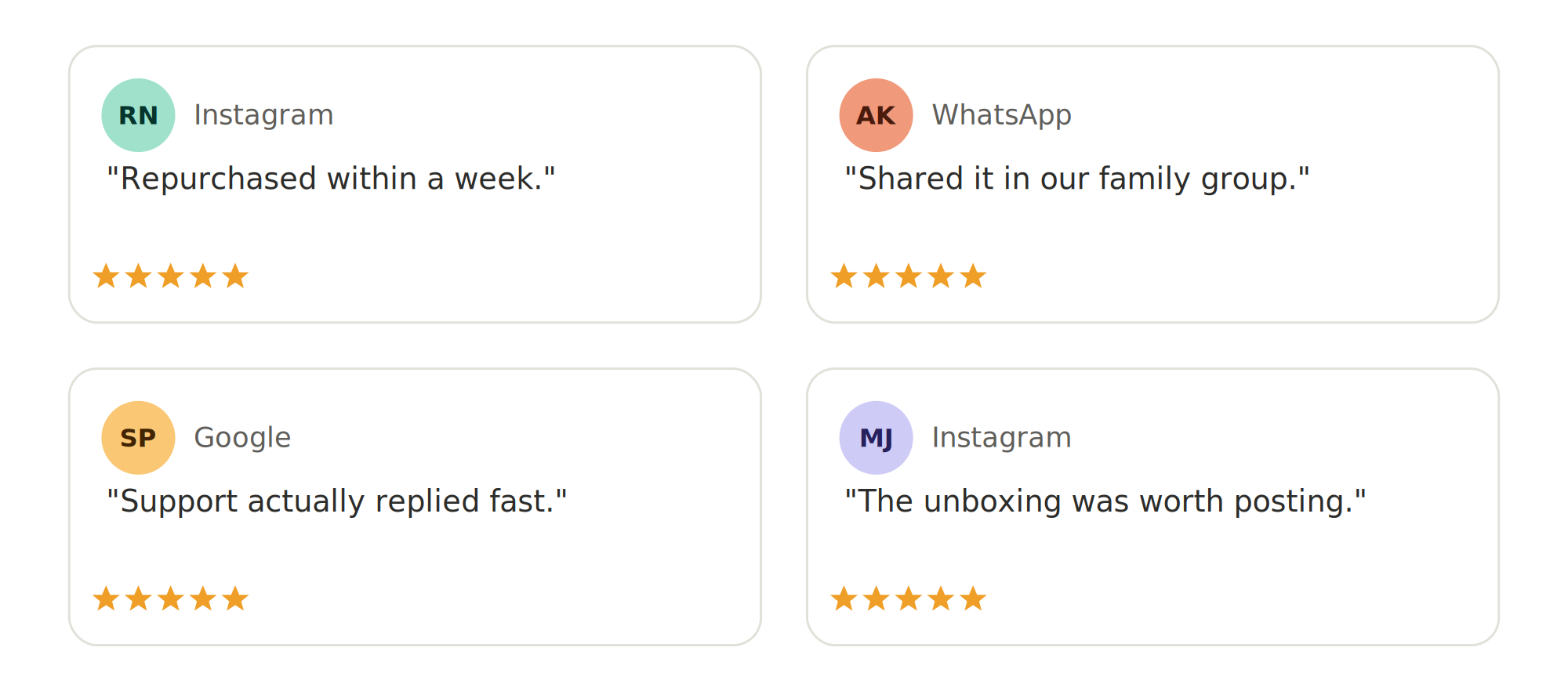
A review left on Google or Amazon should not sit there unused; it can become a headline for an ad, a quote on a landing page, or the seed of a full case study. Respond to every review, positive or negative, since a thoughtful reply to a negative review often builds more trust than a stack of five-star ratings with no engagement behind them. Organise reviews by the objection or benefit they mention, so you can pull the right one into content when you need social proof for a specific claim. This turns a passive reputation asset into an active part of your content library one that costs nothing to produce and carries more credibility than anything your brand writes about itself.
Conclusion
Content earns its place in a marketing budget when it does more than fill a calendar. Done consistently, across every stage from first search to lost-customer win-back, it builds the kind of trust that shortens sales cycles and lowers the cost of every lead that follows. Indian brands that treat this as an ongoing system, revisited every quarter, tend to pull ahead of competitors who still treat content as a once-in-a-while task. None of the ideas in this guide needs a large team or a large budget to start; they need a clear customer picture and the discipline to keep showing up with content that actually helps.
Consistent, well-targeted content does three things for a business over time: it builds trust with people who are not ready to buy yet, it generates leads that convert faster because the trust already exists, and it supports growth that does not disappear the moment an ad budget is paused. Getting this right across research, creation, retargeting, CTAs, and feedback is a lot to manage alongside running a business. This is the kind of work SocialPill’s content marketing team spends its time on with Indian brands across FMCG, retail, and D2C building content systems that are built to compound, not ones built to trend for a week and disappear.
FAQs
What is content marketing used for in customer acquisition?
Content marketing attracts and nurtures potential customers by answering their questions and building trust before they are ready to buy, which lowers the cost of acquiring each new customer.
How can content help win back lost customers?
Content wins back lost customers by addressing the specific reason they left, such as price, service, or product fit, instead of only offering a generic discount.
What type of content converts best for customer acquisition?
Content that solves a specific problem the reader is facing, backed by proof like case studies or reviews, converts better than content that only promotes the product directly.
How often should a business publish content to see results?
Consistency matters more than frequency, so publishing quality content on a realistic, sustained schedule works better than posting often for a few weeks and then stopping.
How is content marketing different from advertising?
Content marketing earns attention by providing value the reader keeps coming back for, while advertising buys attention only for as long as the budget lasts.
What role do customer reviews play in content marketing?
Customer reviews act as ready-made social proof that can be reused across landing pages, ads, and case studies to build trust faster than brand-written content alone.
How do you measure if content marketing is working?
Track qualified leads, conversion rate on content pages, and repeat engagement, rather than only traffic or social media likes, to know if content marketing is actually working.
Why is a call to action important in content marketing?
A call to action turns reader interest into a measurable next step, such as a sign-up or a consultation booking, without which even well-performing content fails to generate business results.