There is a frustration inside most marketing departments at established Indian brands. The blog is active. People are posting in the media. Yet when the Chief Marketing Officer asks whether the content is helping to increase the revenue, the room becomes very quiet.
The problem is not that people are not trying. It is the way things are organised. A good content marketing strategy for brands that actually brings in visitors and revenue is very different from just a schedule of content that looks like a strategy.
Why Content Marketing Strategy for Brands in India Often Fails
Ask ten marketing managers about their content plan. Most will tell you about their posting schedule. Like three blogs each week, daily Instagram posts and a newsletter every Thursday. That’s not really a plan.
Content is often made to fill empty space instead of solving a real business issue. SEO works alone in one area, brand works alone in another and performance marketing doesn’t even look at the content plan. When you add Indias market to the mix. Like a financial services brand trying to reach salaried professionals in Bengaluru versus first-time investors, in smaller cities. A single content approach that doesn’t change stops being a plan. It becomes a guess.
Building a Content Marketing Strategy for Brands in India Starts With Goals
The instinct is to start with topics. Resist that. Strategy begins with the business outcome you need to drive.
Define Business Outcomes First
What does success mean in terms of rupees, not just rankings? Content that gets 50,000 visitors every month is great. It’s not that impressive if none of them become customers.That’s because you might be getting the wrong people to visit your site.
A better way is to start with how much money you want to make and then figure out what you need to do to get there. Start with a revenue goal. Work backwards from it.
Map Content Goals to Funnel Stages
Every piece of content should help move a reader to making a decision. A consumer electronics brand might create comparison guides when people first learn about a product explainers when they are considering options and success stories when they are about to make a decision. Most brands make a mistake by creating all their content to make people aware of their product. They do not have enough content to help people make a decision.
Align Stakeholders Early
The sales team knows exactly what objections can kill a deal. The support team knows which questions come up over and over again. The product team knows which features are not clearly understood by people. The information that the teams have is really valuable for creating content. To get this information, we need to make sure everyone is on the same page before we plan out what content we are going to create, not after we have already made our plan.
Audience Research Shapes Content Marketing Strategy for Brands in India
India’s consumer landscape is unlike any other market. Mobile-first assumptions that hold in metros may not apply in smaller cities where voice search and vernacular content dominate discovery. Audience research here isn’t optional; it’s the foundation.
Go Beyond Personas
The familiar persona document is the beginning; it is not a complete plan. To really understand the people you are trying to reach, you need to do things like read support tickets, listen to what salespeople’re talking about on their calls and hang out in the WhatsApp groups and forums where your buyers talk about the problems they are having with the buyers.
Understand Search Intent and Customer Questions
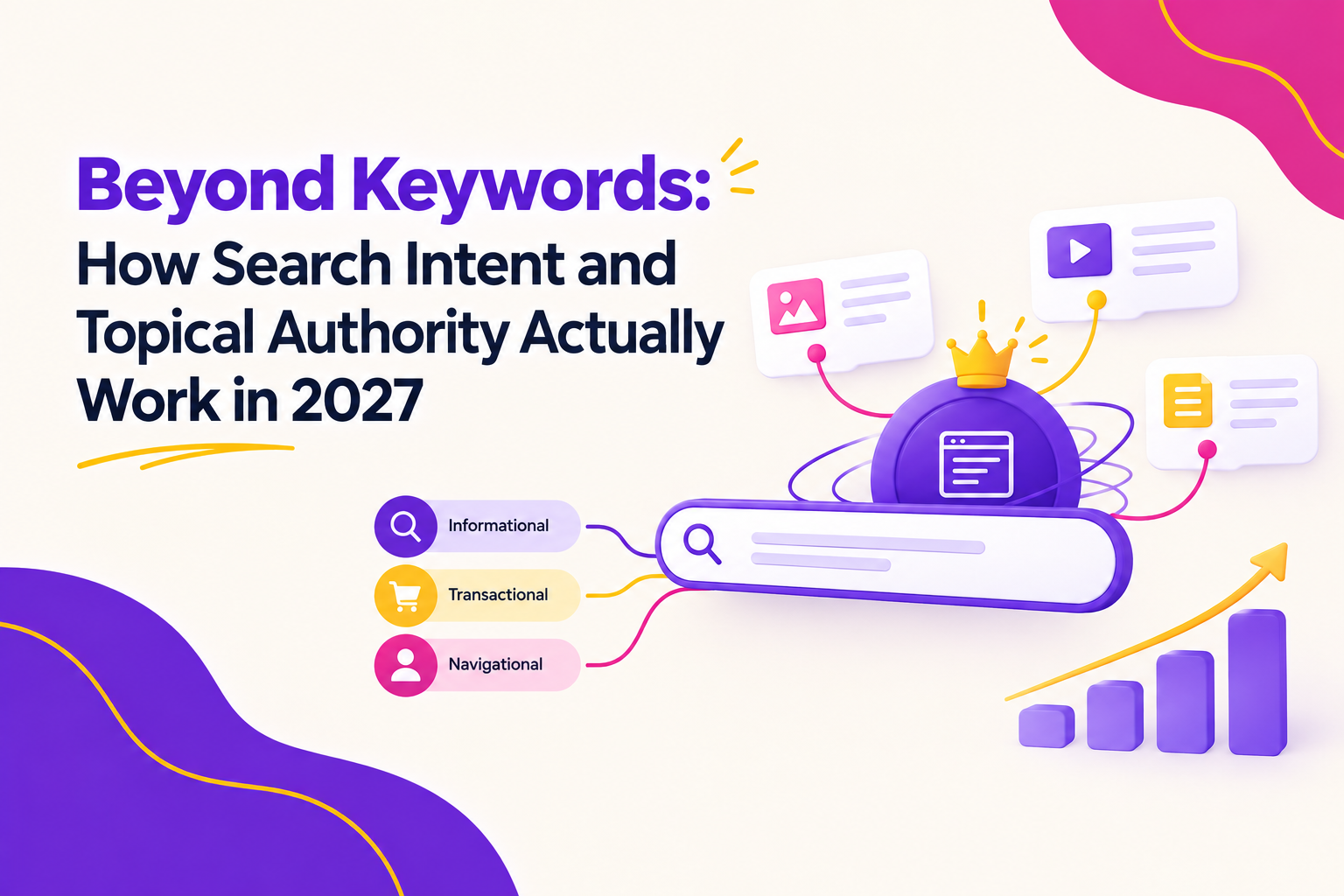
Search intent is like an X-ray for your audience. When someone in Pune searches for ” credit card for online shopping”, they are comparing options to make a decision. They are not looking for credit information. The words and phrases Indian consumers use when researching, not the words brands use, should guide your content.
Build Topic Clusters Instead of Isolated Content
Writing a blog post. Then just waiting for people to find it does not work as it used to. You need to have a topic cluster model. This is where you have one page that has a lot of information on it and then you have other pages that are related to the main page. This helps you become an expert on a topic and gets better over time.
For example, an Indian insurance brand might have a page about family health insurance. Then they can have pages that talk about things like being able to take your insurance with you if you switch jobs, insurance for people who are already sick and comparing the different plans they offer.
Content Marketing Strategy for Brands in India Needs a Content Engine
Strategy without production capacity is just a document. The brands that make content work have built a repeatable system that produces the right formats at the right volume.
Pillar Content
Every content engine needs some good anchor pieces. These are things like guides, research reports or resource pages that people will use. The content engine needs these to get a ranking for important words that a lot of people are searching for. Over time these anchor pieces will help the content engine become a source. The content engine will build authority because of these high-value anchor pieces.
Supporting Formats
Pillar content is amplified through supporting formats across channels. A mutual fund investing guide might spin out into an Instagram carousel, a YouTube video, and an email series. The research is created once; the distribution is multiplied.
Distribution-First Planning
The most common production mistake is treating distribution as an afterthought. Where will this live? Who will amplify it? These questions should be answered before a word is written.
Distribution Completes Content Marketing Strategy for Brands in India
Excellent content without a distribution strategy won’t find its audience. In India’s fragmented digital landscape, distribution is a core competency.
Organic search pays dividends that no paid channel can replicate at scale. Email remains one of the highest-ROI channels in B2B and considered purchase categories. For consumer brands, creator partnerships and community distribution through WhatsApp groups and vernacular platforms unlock audience segments that traditional advertising consistently misses.
Measuring Content Marketing Strategy for Brands in India
Traffic Metrics
Organic traffic growth, branded vs. non-branded search volume, and keyword movements tell you whether the content engine is building reach.
Engagement Metrics
Time on page, scroll depth, and return visitor rates reveal whether content is resonating. For lead-gen content, form completions matter more than pageviews.
Revenue Metrics
Pipeline influenced by content, conversion rates from organic traffic, and revenue attributed to content-driven journeys are the numbers a CMO actually cares about, and they require CRM and analytics integration.
Attribution Thinking
In long buying cycles insurance, real estate, edtech, B2B software the content that started the journey rarely gets credit in last-click models. A multi-touch attribution view, even an imperfect one, prevents the costly mistake of cutting top-of-funnel content that’s quietly doing the heavy lifting.
How Social Pill Builds Content Marketing Strategy for Brands in India
Social Pill helps known Indian brands create plans for using content to grow their business. We start by figuring out what the business needs to achieve. Then we build a content plan that is based on how the target audience behaves, the brand’s position in the market and what the competitors are doing.
Here are the key steps they follow:
- Choosing the keywords for the content.
- Creating content pieces, known as pillar content.
- Deciding how to share the content with the audience, which is called distribution.
- Measuring how well the content is working, which is called attribution.
The main goal is to answer one question: How does this content help increase revenue for the business? We focus on creating content that drives results for their clients. We make sure that the content they create helps their clients achieve their business goals. The content is designed to grow the business and increase revenue.
Content Without Strategy Is Just Activity
The brands that are doing well with content in India are not just publishing a lot. They have linked their content to a plan, for making money and tracked what works and what doesn’t. If you can’t explain how your content approach helps increase revenue then it’s not a content issue. It’s a strategy issue that needs to be fixed away before its too late.