When a patient searches online late at night for chest discomfort, post-surgery recovery tips, or a child’s recurring fever, they are not just browsing. They are making important health decisions. Search engines understand how crucial these moments are. Even well-known hospitals, multi-specialty clinics, and diagnostic centres can suddenly lose organic traffic and become less visible than smaller platforms if their website content does not clearly show who is responsible for the medical advice. That is why partnering with a specialised digital marketing agency for healthcare industries is no longer about chasing high-volume keywords alone; it is about proving clinical credibility on every page you publish.
In healthcare search, good writing is just the beginning. What really protects your rankings during algorithm updates and helps a concerned reader decide to book an appointment is clear, verifiable medical oversight. Doctor-reviewed content is central to Google’s E-E-A-T framework. It helps keep your rankings stable and shows patients they can trust your information.
What Is E-E-A-T, and Why Does Google Judge Medical Websites Differently?
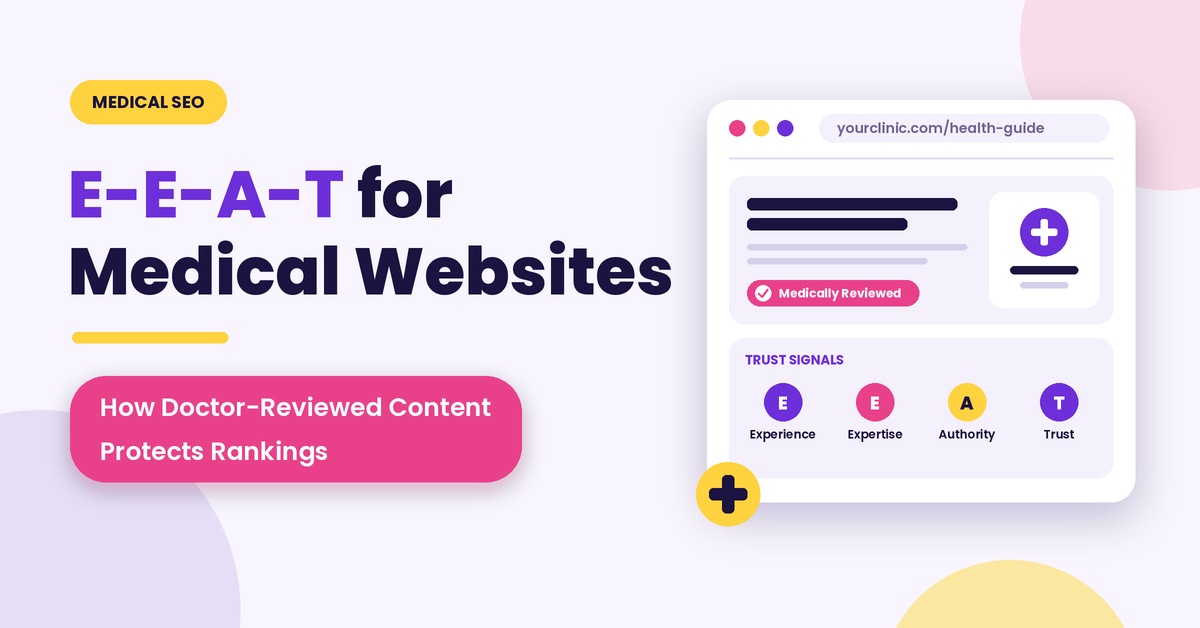
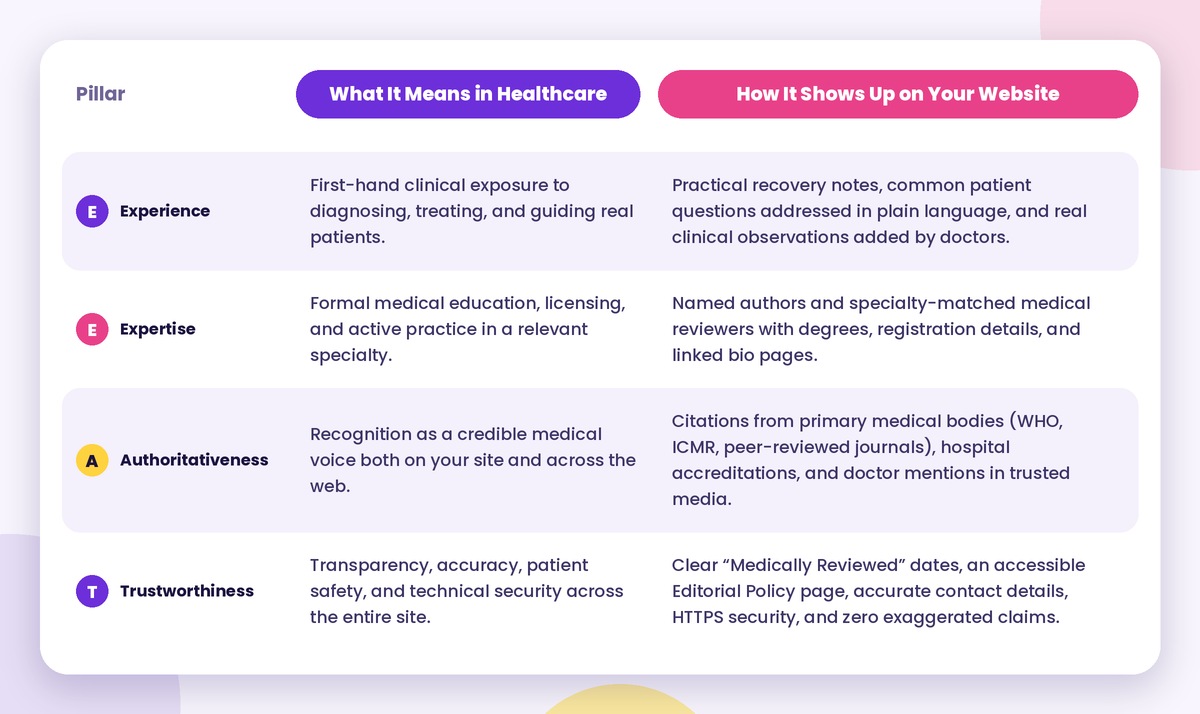
E-E-A-T stands for Experience, Expertise, Authoritativeness, and Trustworthiness. This is the quality framework Google uses in its Search Quality Rater Guidelines and in the signals its automated ranking systems look for. It helps Google decide if a piece of content is reliable enough to appear at the top of search results.
Many people mistakenly think E-E-A-T is a single technical score you can see in a dashboard, but that is not the case. Instead, it is a mix of human and technical signals that help search engines decide if they should trust a website with a user’s wellbeing.
For healthcare websites, the standards are much higher because medical content is part of YMYL (Your Money or Your Life). YMYL includes topics that can directly affect someone’s health, safety, finances, or quality of life. If a lifestyle blog shares a wrong travel tip, it might just be inconvenient. But if a medical website gives incorrect dosage advice or ignores a serious symptom, it can cause real harm. That’s why Google uses its strictest quality checks for hospitals, clinics, pharmacies, diagnostic labs, and health-tech platforms.
Google doesn’t judge E-E-A-T based on individual blog posts. Domain-level trust is as important as page-level quality. A good article on diabetes management could rank poorly if the site lacks a clear About Us page, doesn’t state who owns the clinic, and has old treatment pages with dead links.
Why Generic and Unverified Health Content Loses Rankings
For a long time, many healthcare brands saw their blogs as a numbers game. They hired generalist freelancers to write articles, published them under names like “Admin” or “Editorial Team,” and filled them with popular symptom keywords. When Google releases a Core Update, these pages are usually the first to drop in rankings.
The rise of unedited AI-generated health articles has made this issue even worse. Generative tools can quickly summarise common conditions, but they often miss important clinical details like regional diagnostic protocols, contraindications, or when a mild symptom needs urgent care. Since thousands of websites now post almost identical summaries, unverified medical content gives search engines no reason to rank one page above another.
The effects go beyond search algorithms. Patients are more careful now. If someone visits a treatment page that sounds like a generic textbook and has no doctor’s name, they pause. Bounce rates go up, time on page goes down, and people return to search results to look for a hospital or clinic that seems more trustworthy.
When medical brands work with an experienced SEO agency in Mumbai, the main focus is not just producing more blog posts. The real work starts with reviewing current clinical pages to find where anonymous authors, weak explanations, or missing medical verification are quietly lowering trust in the website.
How Doctor-Reviewed Content Protects and Grows Your Rankings
Adding structured clinical oversight to your website content does more than tick a compliance box. It strengthens four distinct levers that directly protect organic performance and drive patient enquiries.
1. Connects Content to Verifiable Clinical Experts
Search engines now focus more on connecting content to real people and organizations, not just keywords. For example, if a cardiology article is reviewed by a practicing cardiologist whose credentials, hospital affiliation, and medical profile are listed on your site and in external directories, Google can confirm the information comes from a qualified source. It’s important to match the right specialist to each topic. If a general physician reviews articles on oncology, orthopaedics, and dermatology, it can actually reduce your credibility instead of improving it.
2. Cushions Against Google Core Updates
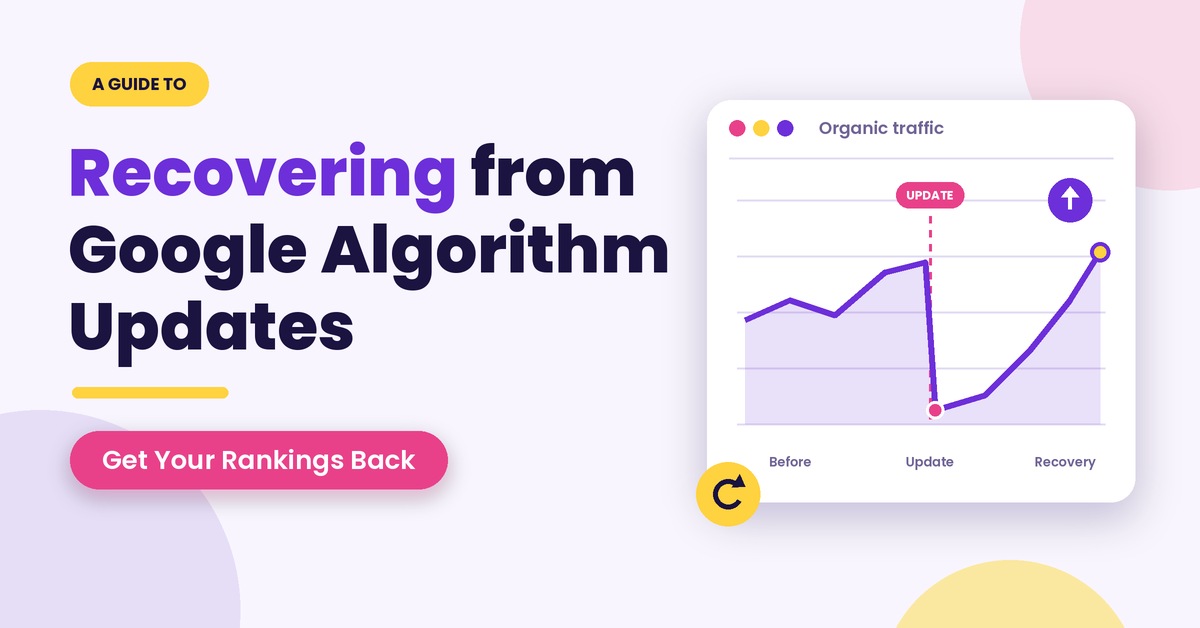
Healthcare websites often see big changes in traffic during major algorithm updates. Sites that rely on unverified, generic health blogs can suddenly lose 30 to 60 percent of their non-branded traffic. On the other hand, medical websites that always have doctor-reviewed content, clear editorial standards, and accurate clinical citations usually keep more stable rankings. If their rankings do change, they tend to recover faster.
3. Wins Citations in AI Overviews and Conversational Search
Patients and buyers no longer just look at the top ten search results. More often, they read Google AI Overviews or use conversational search tools to get clear answers before visiting any website. AI search systems are designed to find medical information from trusted, clearly credited sources to reduce errors and safety risks. Pages that show medical reviewer names, have clear answers, and include primary-source citations are much more likely to be seen as reliable references.
4. Converts Readers into Real Patient Enquiries
High rankings do not matter if visitors do not take action. When patients see a qualified specialist’s name, photo, and credentials at the top of a treatment guide, they feel less anxious. They spend more time reading the advice, look at related department pages, and feel more confident about booking a consultation.
To achieve this balance, you need both clinical accuracy and patient-friendly communication. Working with a good content writing agency in Mumbai alongside your in-house specialists helps bridge this gap. Medical writers organize the article for easy reading and search intent, while doctors make sure the information is accurate and add practical insights.
How to Build a Practical Doctor-Review Workflow (Without Burning Out Doctors)
The main reason hospitals and clinics often skip doctor-reviewed content is that doctors are busy. Expecting a senior surgeon or specialist to write a 1,500-word SEO article from scratch after a ten-hour OPD shift just isn’t realistic. This usually causes content calendars to stall.
A better long-term solution is the Writer plus Clinician Review Model. In this approach, writers handle most of the work, and doctors spend only 10 to 15 minutes reviewing what matters most: medical accuracy.
Assign a reviewer with the right specialty from the start.
Before writing anything, match the topic to the right department. For example, choose an endocrinologist for thyroid conditions or a paediatrician for childhood vaccinations.
Write the draft in clear, patient-friendly language.
Writers should use primary medical sources like WHO guidelines, ICMR publications, national clinical bodies, or peer-reviewed journals, not other hospital blogs. The draft should answer real patient questions clearly and avoid too much jargon.
Focused clinical accuracy check.
Share a clean draft with the doctor alongside two or three specific prompts: Are these symptom red flags accurate? Does this reflect how your department actually approaches treatment? Is there one common patient myth we should clarify? Adding even two sentences of real clinical perspective elevates the article’s “Experience”
Show clear trust elements on the live page.
Add a “Medically Reviewed By [Dr. Name, Qualifications, Specialty] byline near the top of the article. Link the doctor’s name to a bio page that lists their education, years of experience, registration details, and areas of expertise.
Show both the Published Date and the Last Medically Reviewed Date.
Medical protocols evolve; showing when an article was last verified signals active care rather than a neglected blog archive.
Publish a dedicated Editorial Standards page.
Create a permanent page—linked cleanly in your website footer and on blog templates—explaining how your organisation researches, writes, medically reviews, updates, and corrects health information.
Supporting E-E-A-T Beyond the Blog: Technical, Off-Site, and Trust Signals
Doctor-reviewed blogs are the backbone of medical E-E-A-T, but they work best when supported by consistent trust signals across the rest of your digital presence.
Technical security and structured data: Every medical website should use HTTPS, load quickly on mobile devices (since most symptom searches happen there), and avoid pop-ups that block important health information. Adding structured data like MedicalWebPage, Physician, and Hospital or Medical Clinic schema helps search engines understand your authorship, medical reviewer credentials, and specialty relationships clearly.
Off-site authority and local reputation: Google checks what you say about yourself against what others say online. Having a verified and updated Google Business Profile, real patient reviews, accurate listings on trusted medical directories, and doctor quotes in respected news outlets all help strengthen your website’s authority.
Common E-E-A-T Mistakes Medical Websites Should Avoid
Sometimes, even the best healthcare teams hurt their own rankings by taking shortcuts they could avoid. Here are five common mistakes to look out for:
- Rubber-stamping unedited AI drafts: Putting a doctor’s name on an AI-written article they haven’t read puts both the doctor and the organization at risk.
- Faking freshness dates: Updating the “Last Updated” date without real clinical or factual changes is easy for search engines to spot and hurts your credibility.
- Burying reviewer credentials: If you list a doctor’s name in small grey text at the bottom of the page, without their qualifications or a link to their profile, you lose the trust you’ve worked to earn.
- Citing rival blogs instead of primary bodies: Linking to another clinic’s blog or a lifestyle site to support a medical claim shows weak editorial standards. Always link to trusted medical authorities.
- Letting treatment pages gather dust: If you publish an article and don’t update it for years, even as guidelines or tools change, your rankings will slowly drop.
Quick E-E-A-T Self-Audit Checklist
Before you publish new content, use this six-point checklist to review your 10 to 20 most-visited medical pages this week.
- Visible Reviewer Byline: Is it clear who medically reviewed the page, including their degrees and specialty?
- Clickable Doctor Profile: Does the reviewer’s name link to a current bio page that shows their credentials and experience?
- Primary Citations: Are important medical claims backed by recognized health organizations or peer-reviewed sources?
- Dual Dates: Can readers easily see both the original publish date and the most recent medical review date?
- Editorial Policy Link: Can a visitor easily find how your website creates and verifies medical information?
- Clean Mobile Experience: Does the page load fast on mobile over HTTPS without aggressive pop-ups blocking the medical advice?
How Social Pill Helps Healthcare Brands Build Lasting E-E-A-T
At Social Pill, we have worked closely with leading healthcare organisations to turn clinical expertise into measurable organic growth. We understand the real-world constraints medical teams face—from busy doctors and strict compliance requirements to complex multi-location hospital websites—and we know how to translate E-E-A-T from an abstract SEO buzzword into a practical, repeatable system. Whether it is auditing legacy medical blogs for YMYL gaps, structuring specialty-matched doctor review workflows, implementing medical schema, or crafting patient-friendly content that earns trust in both Google Search and AI Overviews, our team builds healthcare SEO engines designed to hold up long-term.
In healthcare, search visibility and patient trust are no longer separate goals—they are the exact same strategy. When your website consistently backs every medical answer with verifiable clinical expertise, rankings become far more resilient, and organic traffic turns into real patient enquiries. If you want to identify where your medical website stands today, start by auditing your highest-priority clinical pages for E-E-A-T gaps and putting a clear doctor-review workflow in place.