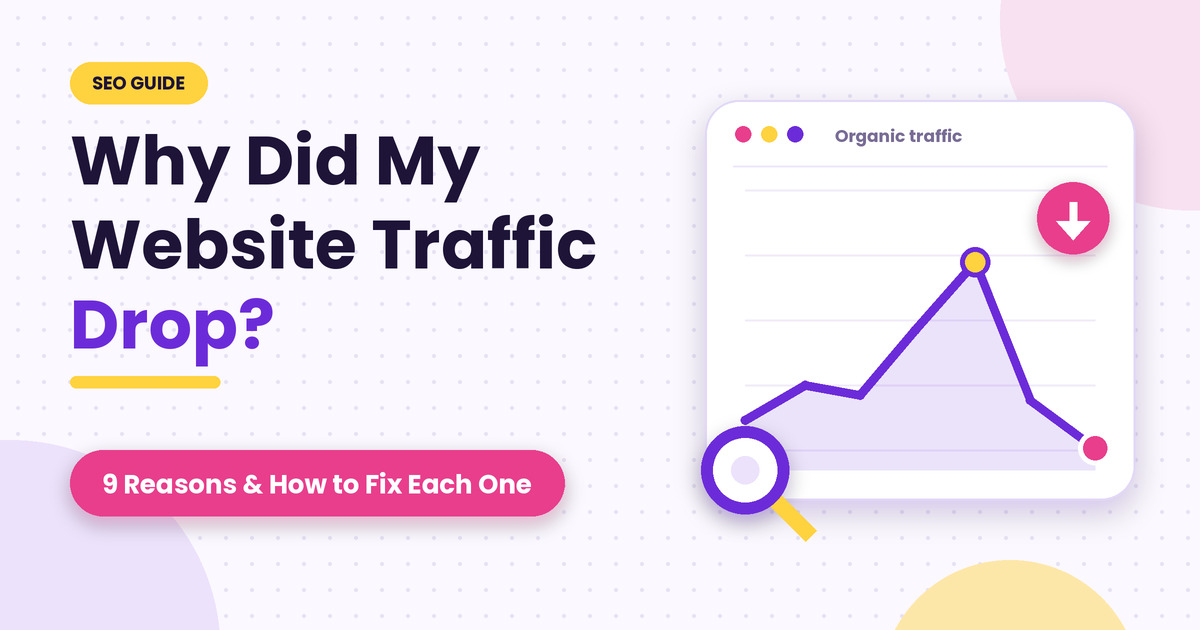
When a big Google Core Update goes live the effect on a business is immediate and brutal. For the execs, the founders and the revenue people it’s not just a marketing hiccup at all. A 30% or 40% drop in organic web traffic the very next morning is a direct and tangible threat to your sales pipeline. In today’s digital economy search visibility is one of the most important and contested assets you can have. Paid traffic is only there as long as you’re paying for it. Organic search is your sustainable, compounding market share.
However, making all sorts of rushed, panicked changes to your site is the quickest way to turn a short term traffic dip into a permanent revenue loss. As a leading SEO agency in Mumbai, we constantly remind business heads that a sudden drop following a core update is rarely a “penalty”. It’s almost always simply the case that Google’s definition of a good, relevant answer has changed and your site’s digital architecture needs to catch up with the way people actually search.
This is a guide for the C-suite. It gets rid of all the technical SEO speak and gives you a plain, simple, evidence based road map for understanding why your traffic has dropped, how to properly diagnose the problem and exactly what you need to do to get your search visibility back.
Why Your Traffic Dropped (And Why It Is Not a Penalty)
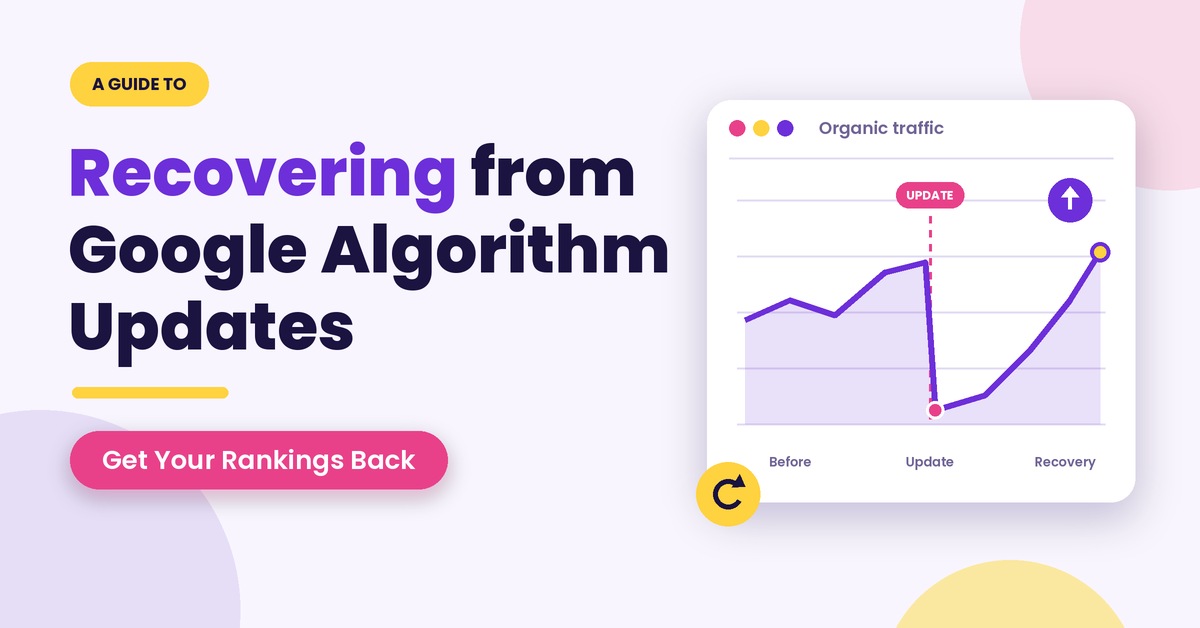
Before you go and do anything, leadership needs to understand what actually happens during an algorithm shift. Google does periodic core updates. These are not targeted attacks on particular sites. A core update is a complete re-ranking of the search index. It’s Google going through the entire index and re-ranking it to bring the better, more authoritative answers to the top.
If your traffic has dropped then that doesn’t mean your site is technically broken or that you’ve been penalised for breaking a rule. It simply means that a competitor is currently answering the user’s query better, or the actual intent behind the search has changed.
SO, What is a Google Algorithm Update?
Basically, it’s a big update to the rules Google uses to decide which websites show up first in search results. Imagine a massive library reorganizing its shelves so people can find the right books, or the right information, much faster.
Google’s main goal is to give users the best answers so they’ll keep using the service. To do this, Google is always adjusting its algorithm, which checks billions of web pages in just milliseconds. While they make small changes every day, they also roll out major Core Updates each
The Action Plan for Traffic Recovery
When performance drops, marketing teams often feel pressure from leadership to act right away. They may want to delete pages, rewrite content, or redesign the homepage. Instead, use this measured, data-driven framework to protect your digital assets.
Step 1: Enforce the 14-Day Waiting Rule
The most important part of recovery is patience. An algorithm update can take up to two weeks, or sometimes even longer, to finish rolling out across all servers. During this period, rankings can change a lot. For example, a page might vanish on Tuesday and come back to the top spot by Friday.
The Rule: Do not touch the website during a rollout. Do not rewrite content, do not delete pages, and do not change your technical architecture. Wait until Google officially confirms the rollout is complete, then wait at least one additional full week for the data to settle before you begin comparing your Search Console metrics. Reacting to mid-rollout movement guarantees you are making decisions based on incomplete, highly volatile data.
Step 2: Isolate the Bleeding (Segment the Loss)
Traffic almost never drops everywhere at the same time. You need to find out exactly where the loss happened to figure out the real cause. Saying something like “our traffic is down 20%” does not help with recovery.
You must ask your SEO team to segment the data:
- Did you lose traffic on your commercial product/service pages, or on your informational blog posts?
- Did the drop happen on mobile devices or desktop computers?
- Did you lose visibility across the board, or did specific topic clusters take the hit?
For example, if your main service pages kept their rankings but your blog posts at the top of the funnel lost half their traffic, you are not facing a sitewide penalty. Instead, your blog section likely has a content relevance problem. By finding the exact segment affected, you can figure out the real algorithmic cause without changing the parts of your site that are still bringing in revenue.
Also, base your before-and-after comparisons on clicks, not just impressions or average position. In recent years, tracking systems have had logging errors that made impression numbers unreliable. Clicks show real users coming to your site, so they are your most reliable metric.
Step 3: Eliminate Hidden Technical Debt
Before you change any content, make sure your technical setup is strong. Imagine your website as a real store. Even if your products (content) are excellent, it will not help if the front door is stuck, the aisles are hard to navigate, or the lights keep going out.
If Google cannot crawl or load your pages quickly, especially on mobile devices, your content will not rank well. Hidden technical problems can build up over years of site changes, plugin installs, and code updates.
Areas to Audit:
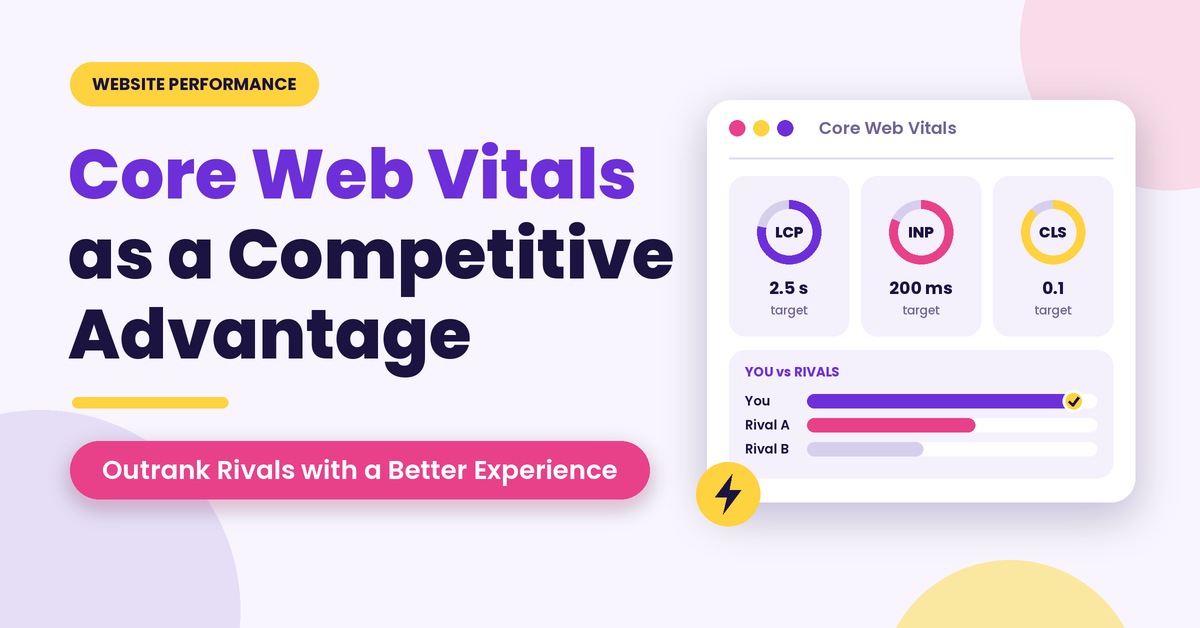
- Site Speed and Core Web Vitals: Are your pages loading instantly, or is heavy code dragging down the user experience?
- Indexability: Are broken links or faulty redirect loops preventing search engines from accessing your most valuable pages?
- Crawl Budget: Are you forcing search engines to crawl thousands of low-value, duplicate, or outdated pages, preventing them from discovering your most important revenue-generating assets?
Fixing technical problems should always come first. Once your site is technically sound, you can start looking at content quality.
Step 4: Audit for First-Hand Expertise (E-E-A-T)
Google uses a framework called E-E-A-T to judge content: Experience, Expertise, Authoritativeness, and Trustworthiness. With so much low-quality, mass-produced AI content online now, Google is putting more value on real, human experience.
Take a close look at the pages that lost traffic and ask yourself honestly: Are these pages truly the best answers online for this topic, or are they just repeating what other sites have already said?
How to build E-E-A-T into your recovery strategy:
- Clear Authorship: For health, finance, and B2B topics, make sure your authors have verified credentials. Content without a named author can hurt your rankings. Always include clear author bios, proof of credentials, and show when the content was last reviewed.
- Proprietary Data and First-Hand Experience: Avoid generic overviews. For example, if you are a logistics company discussing supply chain disruptions, go beyond just defining the term. Share your own data, real case studies about how you helped clients, and insights that only you can provide—not something an AI chatbot could generate.
- Depth Over Breadth: Pages with little content need more substance to perform well. Google favors thorough, detailed resources instead of scattered or shallow content.
The Trap of Quick Fixes (And What Not to Do)
When revenue is at risk, it’s understandable that executives want fast solutions. But in enterprise SEO, quick fixes can make things worse. It’s important to stop teams from making big, harmful changes based on old SEO myths.
Don’t Delete Old Content Just Because It’s Old
One mistake people make during a traffic drop is quickly deleting old blog posts, thinking a newer-looking website will do better. Google has said that removing content just because it’s old or gets little traffic isn’t a good move. If a page still gives helpful and accurate information to even a small audience, keep it. Only delete pages that were made just to target keywords and don’t offer real value. For other cases, it’s best to merge short, weak pages into one strong, detailed guide.
Avoid Rewriting Content with AI
If your traffic dropped because your articles weren’t unique or detailed enough, just having an AI tool rewrite them won’t solve the issue. Instead of relying on automated tools or stretching your internal marketing team too thin, partnering with a specialized content writing agency can help bridge the gap. Professional writers know how to extract proprietary insights from your internal subject-matter experts and translate them into authoritative, human-first articles that search engines—and your buyers—actually reward.
Don’t Rush to Block Backlinks
When traffic drops, some teams think that “bad links” are the problem and quickly use Google’s link-blocking tools to get rid of them. This is not recommended. Unless you paid for spam links and got an official warning from Google, blocking links during an update can actually hurt your website. You might accidentally remove good links that help your site look trustworthy and credible.
How We Future-Proof Your Search Visibility
At Social Pill, as a digital marketing agency in Mumbai, we don’t just chase after algorithm changes. We focus on building strong digital foundations for enterprises. With years of experience managing complex search operations, we make sure your online presence can handle constant changes. We’re experts at simplifying technical details. By using deep data analysis and putting users first in content planning, we don’t just fix short-term traffic drops. We help your website match both what people want and the latest search trends, so you’re ready to gain market share when the next update happens.
Conclusion: Turning Search Volatility into a Competitive Advantage
Algorithm updates are not a punishment; they are an evolution. They are designed to reward. Algorithm updates aren’t meant to punish websites. They are changes that reward sites that truly help people by answering questions clearly, safely, and thoroughly.tion, and technical shortcuts—and focusing entirely on delivering an exceptional, trustworthy digital experience, you stop playing defense. You align your business with the long-term trajectory of the internet.
Recovery is a Recovery is a process. It takes time to review, combine, and improve your content. Usually, you won’t see the full results until the next big update happens and Google reviews the web again. The businesses that recover fastest and grow the most are the ones that treat search optimization as a key part of their customer service and digital strategy, not just an afterthought.