Building a loyal online following takes years of steady effort, investment, and planning. Yet, in today’s digital world, that trust can disappear in minutes. When a viral backlash hits and negative comments flood your posts, the situation can quickly overwhelm a business. Leadership teams may freeze, unsure how to respond, while frustration grows. That’s why working with an experienced social media marketing agency is about more than just creating content. We help you grow your audience and protect your brand when challenges arise in your comment sections.
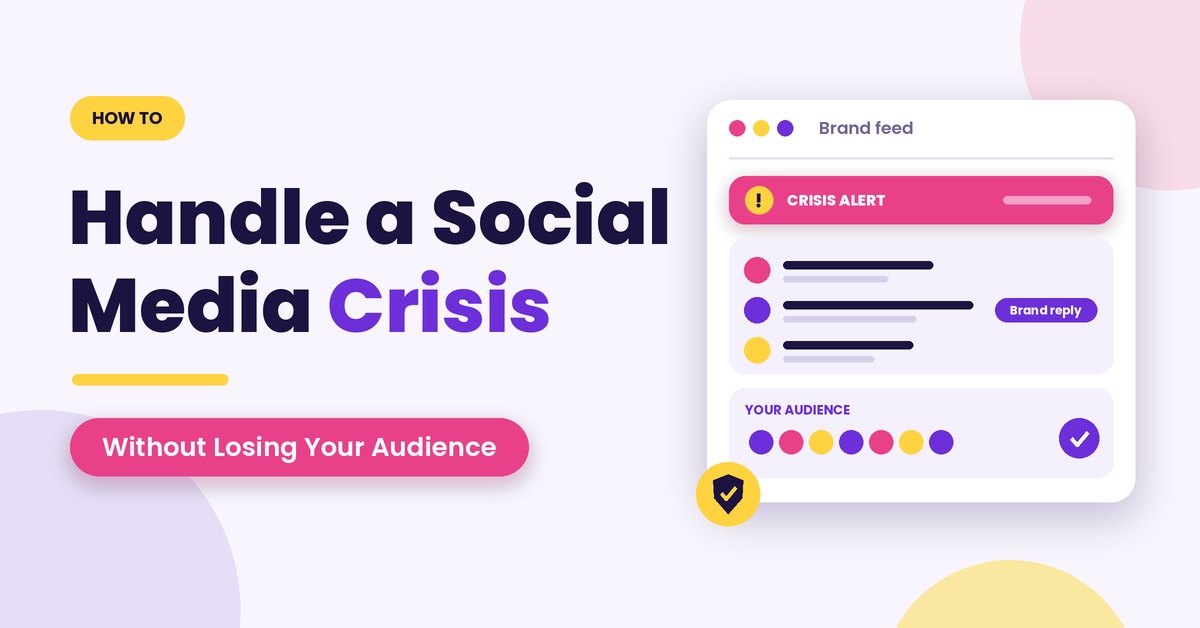
Dealing with a sudden surge of negative social media attention means acting quickly, showing empathy, and staying organized. If you wait too long to respond, people may think you do not care or are hiding something. If you react too harshly or delete comments, you could push away your loyal followers. This playbook will guide you step by step on how to handle a flood of negative comments, protect your reputation, and keep your audience’s trust.
What is a Social Media Crisis?
The first and most important part of crisis management is knowing how to spot a real crisis. Business leaders want to protect their brands, so it’s easy to worry about a few negative comments. But if you treat a small customer complaint like a major PR disaster, you might end up drawing attention to a problem that most people wouldn’t have noticed.
A social media crisis isn’t just a bad review. It’s not an upset customer complaining about a late delivery, or a random troll posting a rude comment on your Instagram Reel. Those are normal, everyday issues. A real social media crisis is something online that puts your company’s reputation at risk, disrupts your business, or could lead to losing money.
You’re dealing with a crisis if any of these situations happen:
- A viral negative review: A customer or influencer posts a damaging video about your product or service, and it quickly gets hundreds of thousands of views and shares on platforms like Reels or TikTok.
- A tone-deaf campaign: Your brand shares a marketing campaign or meme that many people misunderstand or find offensive, causing a quick public backlash.
- An influencer partnership gone wrong: A creator you sponsor does something controversial, and people quickly call for your brand to cut ties with them.
- Coordinated comment attacks: Your social media pages are suddenly flooded by a large, organized group posting angry comments or spam, making it hard for your real community to be heard.
If something like this happens, don’t wait. Start your crisis plan right away.
Step 1: Assemble Your Crisis Response Team in Advance
One of the worst things a company can do is scramble to decide who’s in charge while negative comments are pouring in. If a viral backlash hits on a Friday night, you can’t wait until Monday to respond. That’s why you need a Crisis Response Team ready ahead of time.
To respond quickly and keep your audience, your team should be small, flexible, and able to post replies fast.
Your core team should include:
- The Social Media Manager: This person keeps track of what’s happening online. They watch the platforms, pause outgoing posts, and figure out the mood of the negative comments.
- The Customer Support Lead: This person knows how to talk to upset customers. They make sure your response is caring and actually helps solve the problem.
- The Content Director: They check your reply to make sure it matches your brand’s voice and doesn’t sound stiff or overly formal.
- The Final Decision Maker: Usually the CEO or CMO. This person has the final say to approve and post responses. If you need several executives to approve every reply, you’ll be too slow.
Step 2: Set Up Early-Warning Social Listening Alerts
You cannot resolve a wave of nYou can’t fix a flood of negative comments if you don’t know it’s happening. By the time a viral complaint gets to you, it’s often been spreading online for hours. we highly recommend utilizing advanced social listening tools. These platforms monitor the internet for mentions of your brand name, your hashtags, and your specific product lines. More importantly, they track sentiment velocity.
If your brand usually gets 50 mentions a day but suddenly gets 500 in an hour, and most are negative, your system should send an instant alert to your Crisis Response Team. This early warning gives you a head start to find out what’s wrong and respond before things get out of hand.
Step 3: Draft “Holding Statements” for the 15-Minute Window
When a backlash happens online, people expect a quick reply in the comments or a fast post. Waiting 24 hours to respond looks like you’re ignoring the issue. You usually have just 15 to 30 minutes to show your audience you’re there, listening, and taking it seriously.
But you probably won’t have a perfect answer in 15 minutes. That’s why you need pre-approved “holding statements.” A holding statement is a short, ready-made message you can fill in as needed. It doesn’t solve the problem, but it gives you time to look into things without leaving silence for rumors to spread.
Example of a Holding Statement for a Comment Section:”We are seeing all the comments regarding [insert specific issue, e.g., our recent ad campaign/the delayed product launch]. We hear you, and we take this seriously. Our team is looking into this right now, and we will provide a full update for everyone very soon.”
This simple message does three things: it calms people down, shows you’re paying attention, and lets everyone know real answers are on the way.
Step 4: Pause All Scheduled Marketing Immediately
This is the most important rule in social media crisis management, but many businesses forget it. As soon as you spot a wave of negative comments, pause all your scheduled posts right away. Also, stop your automated ads.
Picture this: Your brand is getting lots of angry comments because a promo code didn’t work during a big sale and customers were overcharged. While people are demanding refunds, an automated post goes live saying: “Happy Friday! Who is ready to shop till they drop?”
This makes your brand look out of touch and unaware. It makes people even angrier because it seems like you’re ignoring their complaints to post ads. Until you fix the problem, your social media should focus only on customer support and solving the issue.
Step 5: Respond, Resolve, and Move Offline
Once you have all the facts and are ready to respond, the way you say things will decide if your audience stays loyal or leaves.
- Own the Mistake: If your brand made a mistake with a post, product, or campaign, say sorry directly. Don’t say, “We are sorry if anyone was offended.” That sounds like you’re blaming the audience. Instead, say, “We missed the mark on this, and we apologize for the frustration it caused.
- Explain the Fix: An apology means nothing without action. Your audience wants to know what you’re doing to fix things. Clearly list your next steps in your follow-up post.
- Move the Angry Comments Offline: If someone is very upset, don’t argue with them in public. Avoid going back and forth in the comments. Show you understand their frustration, then offer to help them privately.
Example Reply: “We completely understand why you are frustrated by this experience. Please DM us directly, or email our support team at [Email], so we can look into this and make it right for you.”
Taking the conversation to Direct Messages or email helps calm things down and lets your team solve the problem in private.
The Aftermath: Rebuilding Brand Trust and SEO
A social media crisis isn’t over just because the angry comments stop. Online, a viral backlash leaves a lasting mark. News stories, Reddit posts, and YouTube videos about your brand’s mistake will show up in Google searches. If you don’t work to rebuild your brand, those negative results will keep showing up when people look for your company.
Rebuilding trust requires a sustained, proactive effort. You must return to your core content strategy, producing high-quality, valuable posts. If you want a refresher on the foundational value of these platforms and why this rebuilding phase is so critical to your bottom line, we highly recommend reading our comprehensive guide on Why Social Media Marketing is Powerful: Benefits for Business Growth.
Over time, posting great thought leadership, positive PR, and engaging content will help push negative search results off Google’s first page. Also, review the crisis with your team. Look at which comments made people most upset and how they reacted to your apologies. Update your social media rules based on what you learn.
The Social Pill Advantage: Protecting and Scaling Your Digital Presence
Getting through today’s fast-changing digital marketing world takes more than a good content calendar. You need a partner with real experience in growing audiences and protecting brands. At Social Pill, as a digital marketing agency in Mumbai, we don’t just manage social media—we build strong digital systems for ambitious brands. Our team uses data-driven strategies, advanced social listening, and quick community management to keep your brand strong. Whether we’re creating content to win new customers or stepping in to handle negative feedback, we work as part of your team. We know how to build a loyal audience and, just as important, how to protect them when things get tough online.
Conclusion
Dealing with negative comments is a normal part of sharing your brand online. While you can’t control every reaction, you can always choose how you respond. Build a response team, use social listening to spot complaints early, pause scheduled ads if needed, and reply with real empathy rather than being defensive. Brands that get through social media backlash, and even come out stronger, are the ones that respect their audience and focus on clear communication instead of ignoring the issue.